SOLUTIONS

Solutions

Parameter Vibration

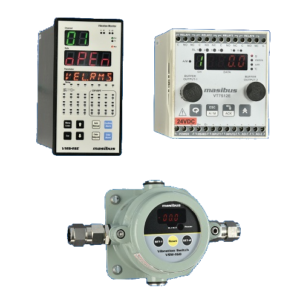
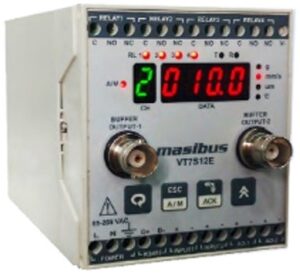
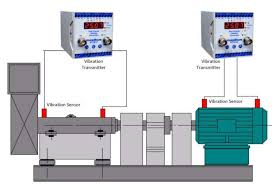
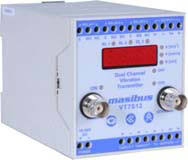
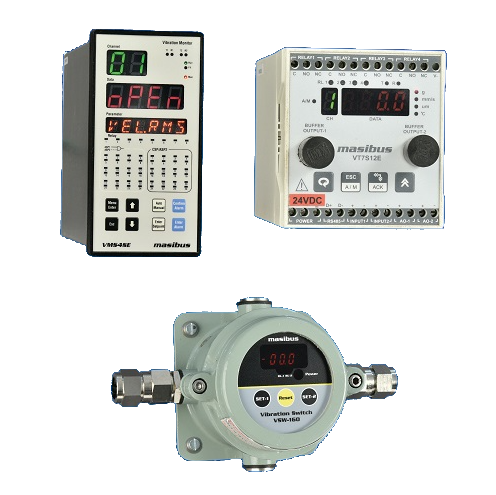
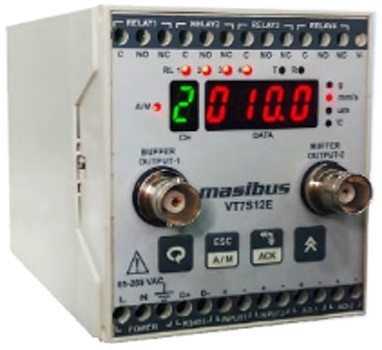
A vibration monitoring system is a technology used to detect, measure, and manage the levels of vibration in machinery, structures, or systems. Excessive vibration can indicate mechanical issues, such as misalignment, imbalance, bearing wear, or other faults, which can lead to equipment failure, downtime, and safety hazards. Vibration monitoring systems help prevent these issues by providing early warning signs.

Vibration monitoring systems are utilized in various industries, including manufacturing, power generation, aerospace, automotive, mining, and transportation. They are particularly valuable for critical machinery, such as turbines, pumps, compressors, motors, gearboxes, and rotating equipment, where even minor vibrations can indicate potential problems.

By continuously monitoring vibration levels, these systems help organizations optimize maintenance schedules, reduce downtime, extend equipment lifespan, enhance safety, and improve overall operational efficiency.

Key components of a vibration monitoring system typically include:

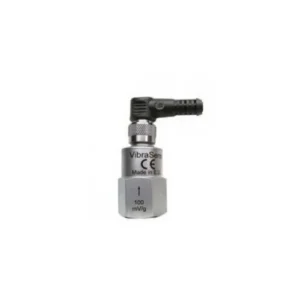
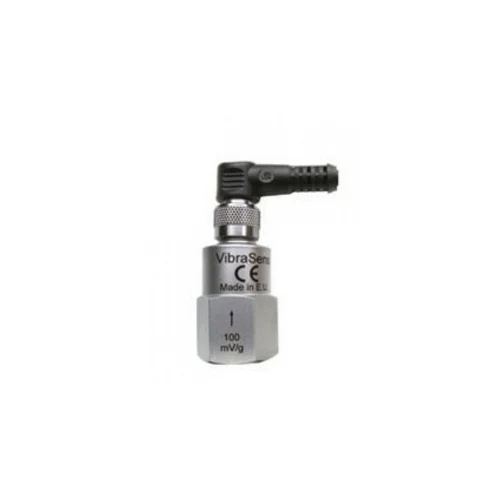
  1. Vibration Sensors: These sensors are installed on or near the equipment or structure being monitored. They detect mechanical vibrations and convert them into electrical signals for analysis.
  1. Data Acquisition System: This component collects vibration data from sensors and sends it to the monitoring software for processing.
  1. Monitoring Software: Software applications receive the data from the sensors and analyze it to identify patterns, trends, and anomalies. They may provide real-time monitoring, historical data analysis to assess the condition of machinery or structures.
  1. Alarming and Notification System: When abnormal vibration levels are detected, the system can trigger alarms or notifications to alert operators or maintenance personnel. This allows for timely intervention to prevent equipment failure or damage.
  1. Reporting and Visualization Tools: These tools provide graphical representations of vibration data, trend analysis, and reports on equipment condition and performance.

Time Synchronisation

A time synchronization system is a technology used to ensure that multiple devices or systems maintain consistent and accurate time across a network or within an organization. Precise time synchronization is crucial for various applications, including data logging, network operations, financial transactions, communication systems, and industrial automation.

Time synchronization systems are essential for ensuring the coherence of distributed systems, improving data integrity, facilitating troubleshooting, and complying with regulatory requirements. The choice of synchronization method depends on factors such as the required accuracy, network infrastructure, environmental conditions, and cost considerations.

There are several methods and protocols used for time synchronization, including:

  1. Network Time Protocol (NTP): NTP is one of the most widely used protocols for time synchronization over the internet and local networks. It synchronizes the time of devices to coordinated universal time (UTC) using a hierarchical system of time servers. NTP continuously adjusts the local clock of each device to compensate for network latency and clock drift.
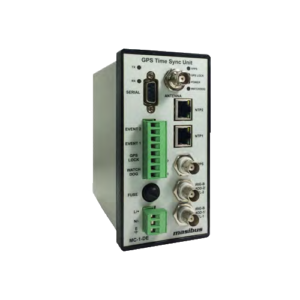
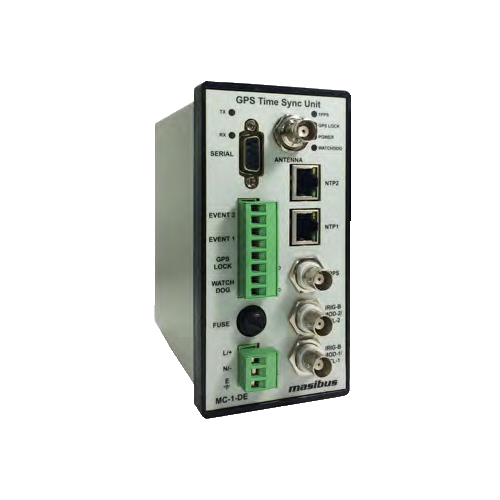
  1. Global Positioning System (GPS): GPS receivers can provide highly accurate time synchronization by receiving signals from satellites and triangulating their positions. GPS-based time synchronization is often used in environments where direct access to network time servers or PTP infrastructure is not feasible.

Remote Seal Service

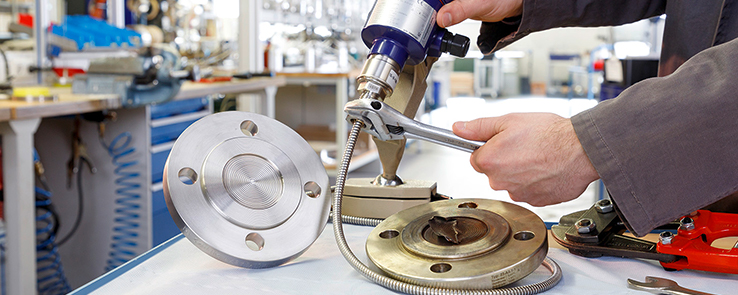
Signature Technology offers a profitable service for Diaphragm Seal Repairing for all recognised manufacturers.

Diaphragm seal systems are used for demanding measuring requirements with extreme medium temperatures of-90 °C up to +400 °C in the process industry. The diaphragm seal assemblies protect the measuring instrument from aggressive, corrosive, heterogeneous, abrasive, highly viscous or toxic media. With this service, the total cost of the diaphragm seal system can be clearly lowered. In this way, the service life of the measuring instrument can be fully utilised and only the diaphragm seal assembly needs replacement or repair, preventatively or after failure.

Your Benefits:

1. Cost saving

2. Fast availability by saving time

3. Functional test of a process transmitter

4. Current material test certificate

5. New calibration of the entire system